
Reflection 13
The Exhaustion of Pretending
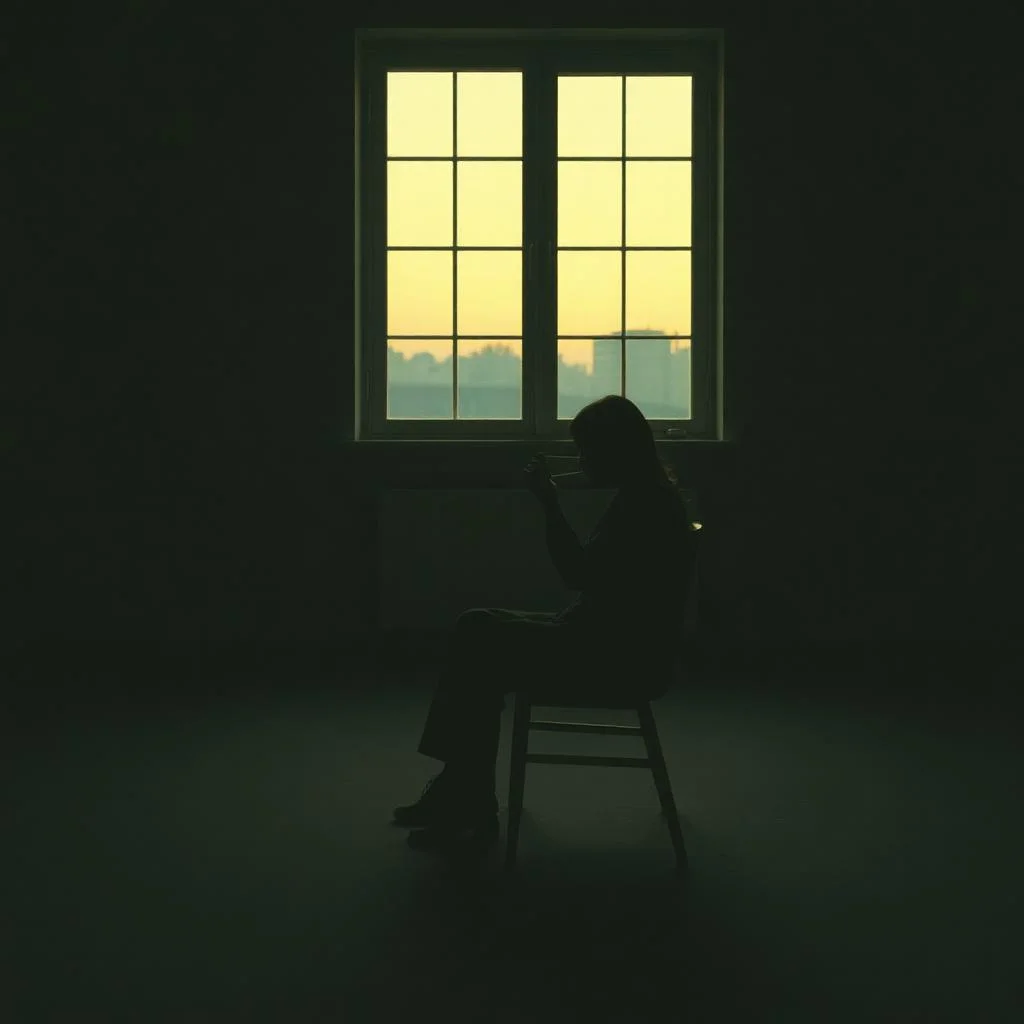
The Reflection
One of the heaviest burdens a human being can carry is the pressure to constantly appear okay.
To smile when exhausted. To speak normally when overwhelmed. To appear confident while quietly falling apart inside.
And perhaps one of the most painful realities of modern life is how easy it has become to perform wellness without actually experiencing it.
Today, many people have learned how to curate emotions more than they have learned how to process them.
They know how to: post happiness display productivity appear emotionally stable sound spiritually aware look socially successful
while privately carrying: anxiety loneliness numbness exhaustion insecurity spiritual distance
There is a recurring awareness that the human heart weakens when sincerity disappears and appearance becomes more important than truth.
Because pretending is exhausting.
Not occasional politeness. Not healthy privacy.
But the deeper kind of pretending: the kind where a person slowly becomes emotionally disconnected from their real self because they spend too much energy maintaining an image.
The modern world rewards performance constantly.
People are praised for: appearing strong appearing successful appearing unbothered appearing disciplined appearing fulfilled
So vulnerability begins feeling dangerous.
Many people now fear being truly seen: with flaws with uncertainty with emotional struggles with weakness with unanswered questions
And because of this fear, the soul becomes trapped behind layers of performance.
A person may spend years becoming recognizable publicly while becoming unfamiliar to themselves privately.
This creates a quiet inner loneliness.
Not because nobody exists around them — but because nobody is truly meeting the unfiltered version of them.
Even spiritually, pretending can become dangerous.
A person may continue performing religious actions externally while internally feeling emotionally distant from Allah, yet remain too ashamed to admit it honestly.
But healing rarely begins through performance.
It begins through sincerity.
The beautiful thing about Islam is that Allah never asked human beings to approach Him as perfected people.
He asked them to approach Him honestly.
With: weakness struggle repentance confusion hope sincerity
And perhaps this is why some of the most transformative moments in life happen privately: crying during dua admitting exhaustion honestly confessing fears to Allah sitting alone after everyone sleeps realizing you no longer want to perform strength constantly
Because the soul becomes lighter the moment it no longer has to maintain impossible emotional perfection.
Many people today are not only tired from responsibilities.
They are tired from carrying versions of themselves they feel forced to maintain.
But peace begins when a person realizes:
You do not need to become emotionally flawless to deserve love, mercy, or closeness to Allah.
And perhaps maturity is not learning how to hide weakness better.
Perhaps it is learning how to remain sincere even while imperfect.
The Mirror
- What parts of yourself do you feel forced to hide most often?
- How much energy goes into maintaining your image?
- When was the last time you admitted honestly that you were struggling?
- Do people truly know you — or mostly know the version you perform?
- What would change if you stopped trying to appear emotionally perfect?
The Pause
Sit quietly without distractions. Stop performing strength for a few moments. Allow yourself to feel what you have been suppressing. Then ask yourself gently: "What am I tired of pretending not to feel?" Do not rush away from the answer.
The Journal
After your next prayer, speak to Allah honestly. Without polished words. Without spiritual performance. Without trying to sound strong. Tell Him what hurts, what confuses you, what exhausts you, what you fear, what you feel ashamed of. Then sit quietly afterward.
The Action
This week, choose one person you trust and share one real thing you have been hiding behind your performance — not to be fixed, just to be known.
How did this reflection land?
No ratings yet · sign in
Share this
The Conversation
Sign in to join the conversation.
Sign inLoading…
Next reflection
The Things We Sacrifice for Approval →